
Commercial Window Cleaning in Southbank
Some of the tallest residential towers in the country, hotels that never close, and a promenade of restaurant glass at street level. Height decides the method here. People decide the timing.
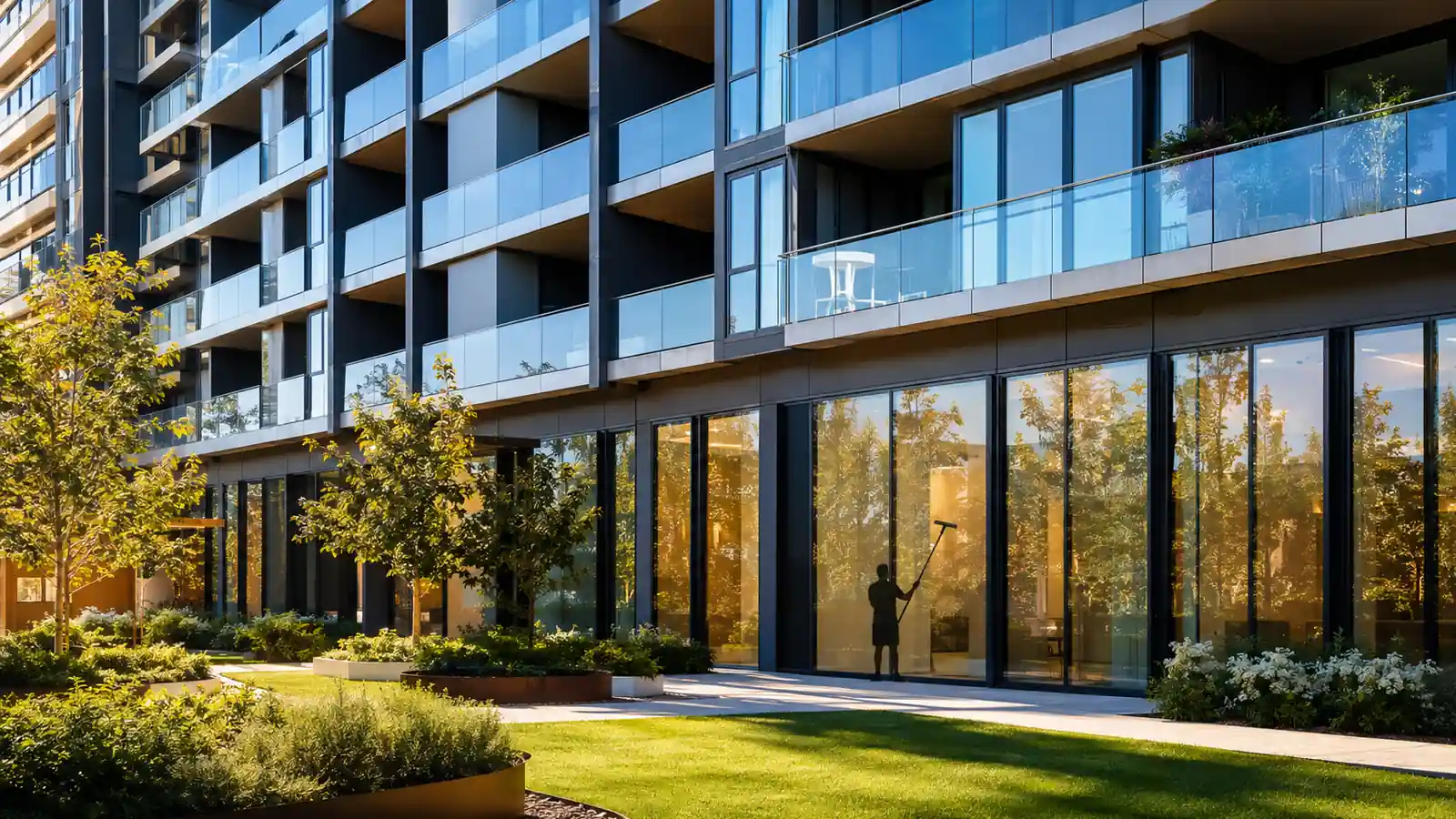
- Rope workthe default above ten floors
- Resident noticebefore every visit
- Hotelsworked around checkout
Window cleaning Southbank buildings means working above people rather than above offices, and that single fact changes almost everything about how a job runs. The precinct holds several of Australia's tallest residential towers, a dense run of hotels and serviced apartments, and a strip of restaurant and gallery glass along the river that is judged by tourists every night of the week.
Height here is genuine. Once a tower passes forty or fifty levels the only realistic method is rope, because no platform reaches and few buildings have a cradle that can serve every face. So the crews on Southbank facades are certified rope technicians, and the planning that goes into a drop matters more than the cleaning that follows it.
The other constant is that somebody is always home. To compare this precinct with the other five, start from areas we serve across Melbourne.
What does window cleaning Southbank usually involve?
Tall residential and mixed-use towers cleaned on rope, hotel glazing worked around occupancy, and promenade restaurant frontages done before service. Very little of it is ordinary office work.
The residential towers dominate. They are owners corporation buildings with committees, budgets set a year ahead, and a hundred or more apartments whose occupants all have an opinion about a technician appearing outside the bedroom window. Getting those buildings right is as much about communication as equipment.
Hotels run to a different clock. There is no quiet season and no empty week, so the work happens around housekeeping rather than around vacancy, floor by floor, with the rooms being serviced cleaned while guests are out. A hotel that plans it with us gets the whole building done without a single complaint.
Down at ground level the river frontage is restaurant glass, and it carries more than dust. Kitchen exhaust, river spray and the film that comes off a busy terrace all need a proper wash rather than a wipe, and it has to happen before the first table is set.
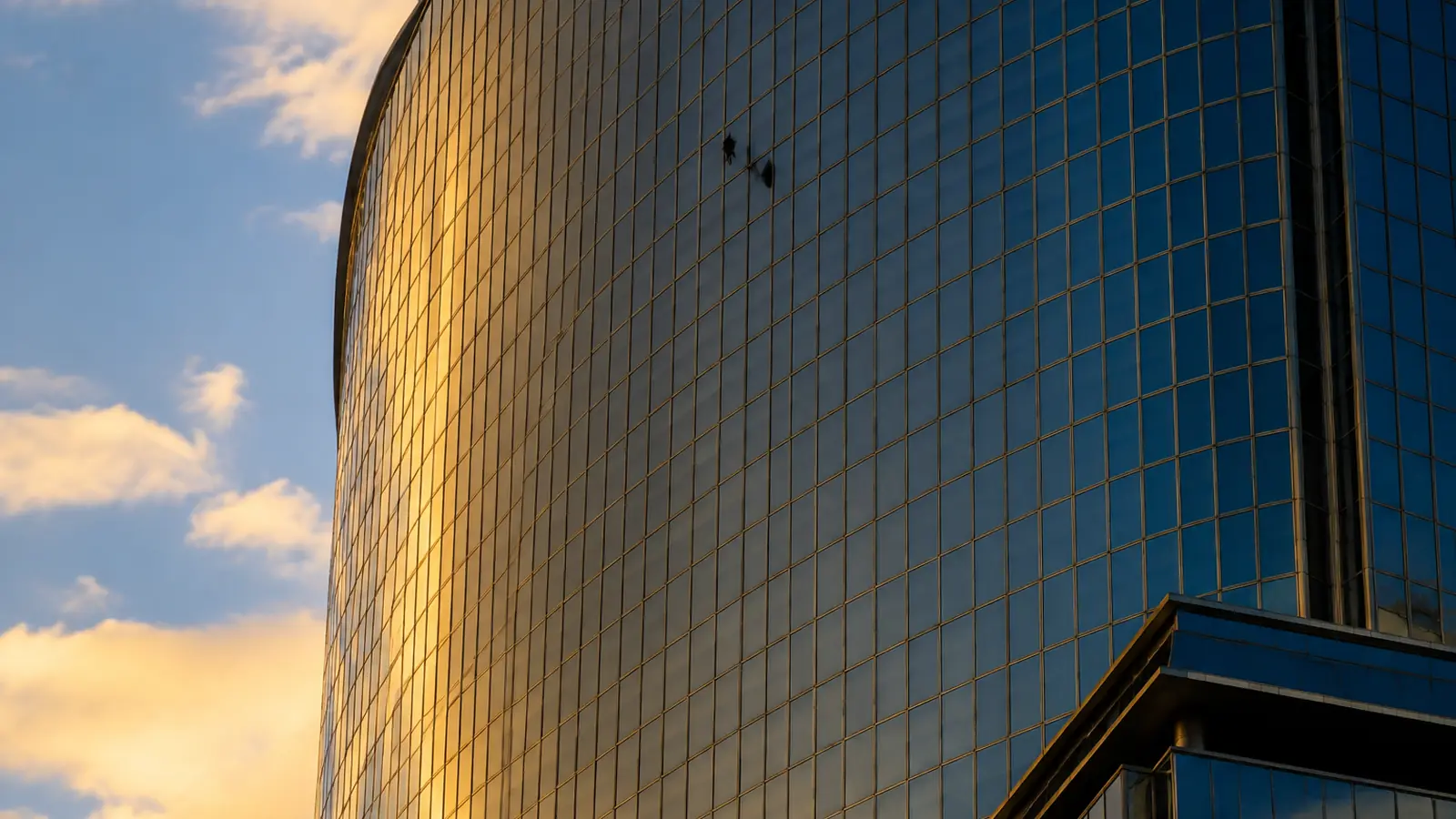 Above ten floors in Southbank, rope is usually the only method that reaches
How do you work above occupied apartments?
With notice out well before the date, a published schedule of which levels are being done when, and technicians briefed to pass occupied rooms steadily rather than stopping at them.
| Before the visit | Why it matters |
|---|---|
| Notice for residents, ready to circulate | Blinds can be closed and balcony furniture moved |
| Level-by-level schedule | Residents know their day rather than the week |
| Balcony access scope, in writing | Balustrades and door glass are in or out, never assumed |
| Certificate of currency | The committee has it on file before work starts |
| Method statement for the building | Names the anchors, the drops and the rescue plan |
| A contact for the day | Somebody a concierge can call rather than guess |
Privacy is the part contractors underestimate. A rope descends past a bedroom at eight in the morning whether or not anyone thought about it, and residents remember how that felt long after they have forgotten how the glass looked. Crews are told to keep moving, to avoid stopping level with an occupied room where the drop allows it, and never to photograph an elevation with interiors visible.
Balcony glass is the other thing worth settling early. Balustrades, screens and the outside of sliding doors belong to different parties in different buildings, and the committee decides what is in scope. Both versions are priced, so the committee can see what each choice costs before voting on it. Everything that goes with residential buildings sits under strata and apartment window cleaning.
Which services does this precinct use?
Facade cleaning once or twice a year on the towers, common area glass far more often, and separate rounds for hotel and restaurant frontages. The budget cycle drives the frequency more than the dirt does.
Owners corporations set their spending at a general meeting, so a Southbank tower's window cleaning is usually decided once a year and then left alone. That suits us. Knowing the dates twelve months out means the rope crew is reserved before the busy months close, and the committee knows the figure before the levies are struck.
Lobbies, lift lobbies and pool or gym glazing are the opposite: high traffic, low cost to reach, and worth doing monthly. Most buildings underbuy this and overbuy the facade, when the residents actually walk past the lobby glass every day and see the facade once a year from the street.
For the hotels and the ground floor, the rhythm is commercial rather than residential. Those sit on a standing arrangement like any retail round, and how one is built is covered by scheduled window cleaning programs.
- Tower facade, once or twice a year, booked early.
- Lobby and common areas, monthly, and worth more than people think.
- Hotel glazing, floor by floor around housekeeping.
- Restaurant frontage, weekly, before the first booking.
- Balcony glass, in or out of scope by committee decision.
What makes a Southbank job run late?
Roof plant, wind, and buildings tall enough that a single drop takes most of a morning. On a fifty storey tower the number of drops is the schedule, and nothing shortens it.
Very tall towers change the arithmetic. A technician can only clean so much glass before reaching the ground, and then has to return to the roof and reset for the next line. On a building of this height that round trip is substantial, so the elevation count and the drop width decide the number of days far more than how dirty anything is.
Roof space is the second constraint. Southbank rooftops carry plant, lift motor rooms and communications gear, and the usable area for rigging can be smaller than the building's footprint suggests. Where that limits how many technicians can work at once, the job takes longer and the quote says so from the start.
Wind behaves differently here than in Docklands. There is more shelter from the grid across the river, but the towers are taller, and height alone brings speeds that stop work on days that feel calm at the promenade. The decision is made on the roof, and lost elevations go back into the calendar at the figure already agreed.
None of this is a reason to accept a vague quote. A contractor who has looked at your roof can tell you how many days the building takes before starting, and that number should appear in writing rather than emerging halfway through.
How is a tall tower quoted?
By drop rather than by pane, after somebody has seen the roof. On buildings this tall a site visit is not optional, because the rigging positions decide the day count and the day count is the price.
Committees usually want the figure before a meeting, so tell us the date and we will work to it. Start with get a quote, or read how tall buildings are costed on commercial window cleaning cost.
- Day count stated in the quote, not discovered later.
- Resident notice drafted for you to circulate.
- Figures timed to land before your committee meeting.
- Balcony glass priced in and out so the choice is yours.